Benefits of Coloring
In a fast-paced world where screens dominate our attention, the simple act of coloring emerges as a timeless activity with profound benefits for people of all ages. Whether you’re a parent looking to engage your child or an adult seeking a moment of zen, coloring offers more than just vibrant pages—it nurtures the mind, body, and spirit. This article delves deeply into the evidence-based advantages, drawing from educational experts, health organizations, and psychological studies. We’ll explore how coloring supports child development, provides therapeutic relief for adults, and even ties into educational themes like dinosaurs, making it relevant for sites like DinosaurColorPages.com. By the end, you’ll see why picking up those crayons could be one of the best decisions for your well-being.
The Developmental Power of Coloring for Children
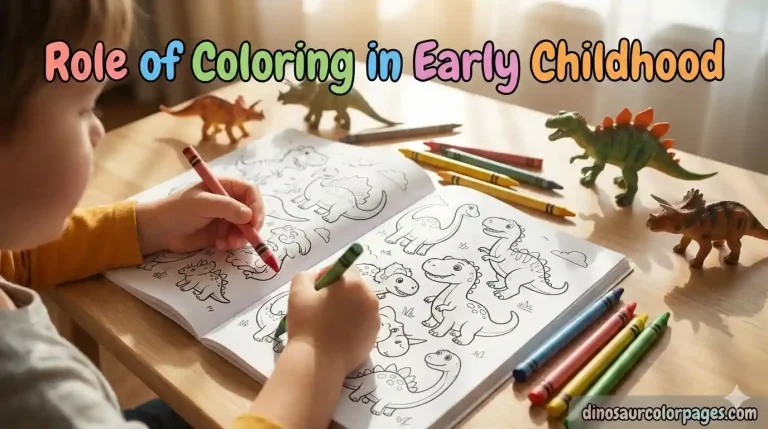
Coloring is often one of the first creative outlets children encounter, and its impacts on early growth are well-documented. According to Scholastic, a leading educational publisher, coloring enhances fine motor skills by requiring precise movements to fill in shapes, which strengthens the small muscles in hands and fingers. This is crucial for tasks like buttoning clothes or holding a pencil correctly. A 2020 article from The OT Toolbox emphasizes that using crayons specifically improves hand strength and visual motor integration, helping kids coordinate what they see with what their hands do. For instance, when a child colors a detailed dinosaur outline, they’re not just having fun—they’re building the dexterity needed for future academic success.

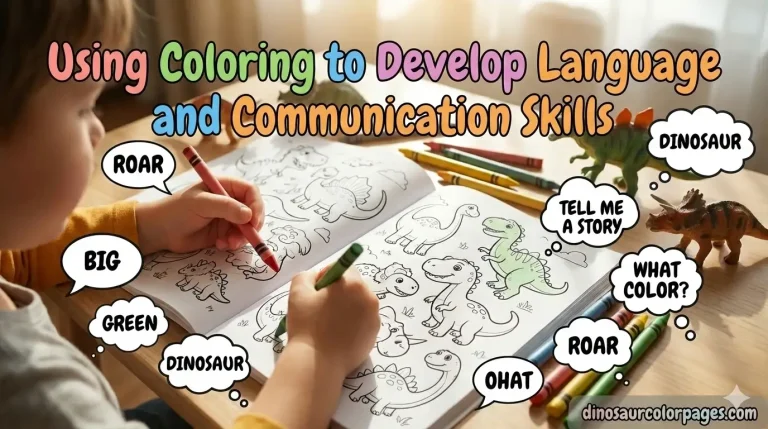
Beyond physical skills, coloring fosters cognitive and emotional growth. Little Learners UK highlights how it encourages patience and concentration, as children learn to complete a page without rushing. This can translate to better attention spans in school settings. A 2024 Reddit discussion on coloring books notes that it teaches symbolism and decision-making; kids decide that a T-Rex might be green or purple, sparking imagination without the pressure of blank-page drawing. Moreover, it aids in color recognition and language development—parents can discuss “emerald green” or “fiery red,” expanding vocabulary naturally.

Emotionally, coloring serves as a stress reliever for kids. Mayo Clinic Health System reports that it calms the brain’s fear center (the amygdala), reducing anxiety and promoting relaxation. A 2025 post from Sage House Therapy adds that it builds confidence through small achievements, like finishing a page, and helps children communicate feelings non-verbally. For example, choosing bold colors might express excitement, while softer tones could indicate calmness. In therapeutic settings, coloring supports mental health by improving focus and self-compassion, making it a valuable tool for children with attention challenges or emotional sensitivities.
To illustrate these benefits, consider the following table summarizing key developmental areas:
| Benefit | Description | Supporting Example for Kids |
|---|---|---|
| Fine Motor Skills | Strengthens hand muscles and coordination | Gripping crayons to color intricate dinosaur scales |
| Concentration & Patience | Builds ability to focus on tasks for extended periods | Completing a full page without distractions |
| Creativity & Imagination | Encourages color choices and storytelling | Imagining a velociraptor’s habitat while coloring |
| Stress Relief | Calms the mind, reduces body tension | Using as a wind-down activity after school |
| Educational Integration | Teaches colors, shapes, and themes like dinosaurs | Learning about prehistoric eras through fun pages |
These elements make coloring an accessible, low-cost activity that parents can incorporate daily.
Therapeutic and Wellness Benefits for Adults
While coloring is traditionally seen as a child’s play, its resurgence among adults—through intricate mandalas or themed books—has been backed by science as a legitimate wellness practice. Healthline’s 2022 article outlines nine reasons to try it, starting with its role in easing depression and anxiety. By focusing on the present moment, coloring distracts from rumination, offering a mental break similar to mindfulness exercises. Cleveland Clinic explains that it relaxes the brain by quieting internal chatter, leading to lower stress levels and improved mood after just 20 minutes, as noted in a study from Hobart and William Smith Colleges.

The therapeutic edge comes from its meditative quality. The Good Trade describes how repetitive strokes mimic meditation, potentially lowering blood pressure and boosting immune function. Mayo Clinic echoes this, stating that coloring reduces fatigue and body aches by promoting relaxation, which can enhance sleep quality. For those with generalized anxiety disorder (GAD), a 2022 study published in PMC found that coloring therapy improved positive emotions and decreased negative ones, making it a complementary tool to professional treatment.
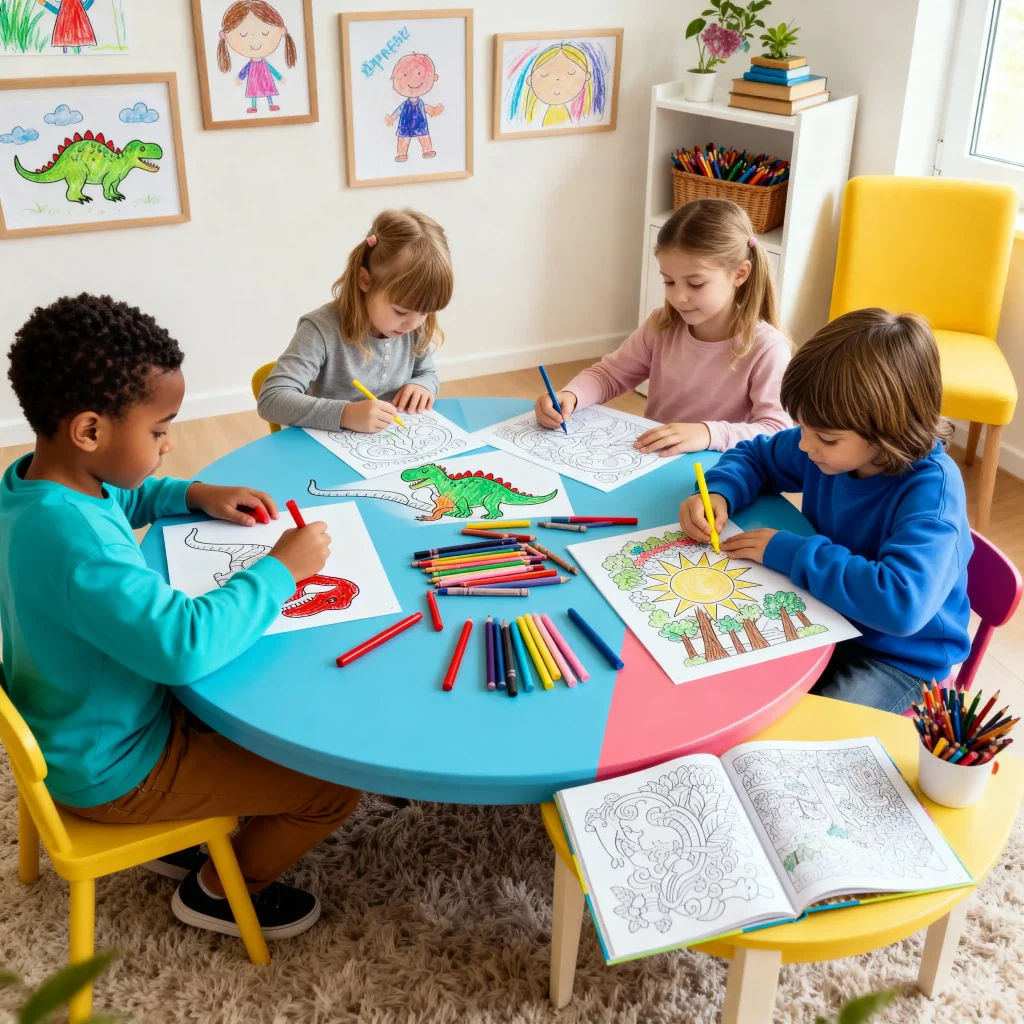
Adults also benefit creatively without needing artistic talent. Quora users point out that it’s a low-stakes way to express emotions, fostering a sense of accomplishment. Canvas by Numbers highlights how it dissolves stress through each brushstroke (or crayon mark), encouraging a flow state where time slips away. In group settings, like adult coloring clubs, it builds social connections, adding a communal layer to its solo benefits.
Here’s a comparative table of benefits across age groups, based on aggregated research:
| Aspect | Benefits for Children | Benefits for Adults |
|---|---|---|
| Physical | Improves dexterity, hand-eye coordination | Enhances precision, reduces physical tension |
| Mental | Boosts focus, color awareness | Promotes mindfulness, distracts from anxiety |
| Emotional | Builds confidence, relieves stress | Improves mood, aids in emotional regulation |
| Long-Term | Prepares for school skills like writing | Supports ongoing stress management and better sleep |
| Therapeutic Potential | Helps with communication and self-compassion | Complements therapy for conditions like GAD |
This table underscores coloring’s versatility, adapting to different life stages.
Enhancing Benefits with Themed Coloring: A Focus on Dinosaurs
Themed coloring pages elevate these advantages by adding educational value. At DinosaurColorPages.com, free printable dinosaur sheets turn a simple activity into a gateway for learning about paleontology. Kids might color a stegosaurus while discussing its plates, sparking interest in science—aligning with Montessori principles that emphasize hands-on exploration. For adults, intricate dinosaur mandalas provide a challenging yet relaxing escape, combining nostalgia with mindfulness.
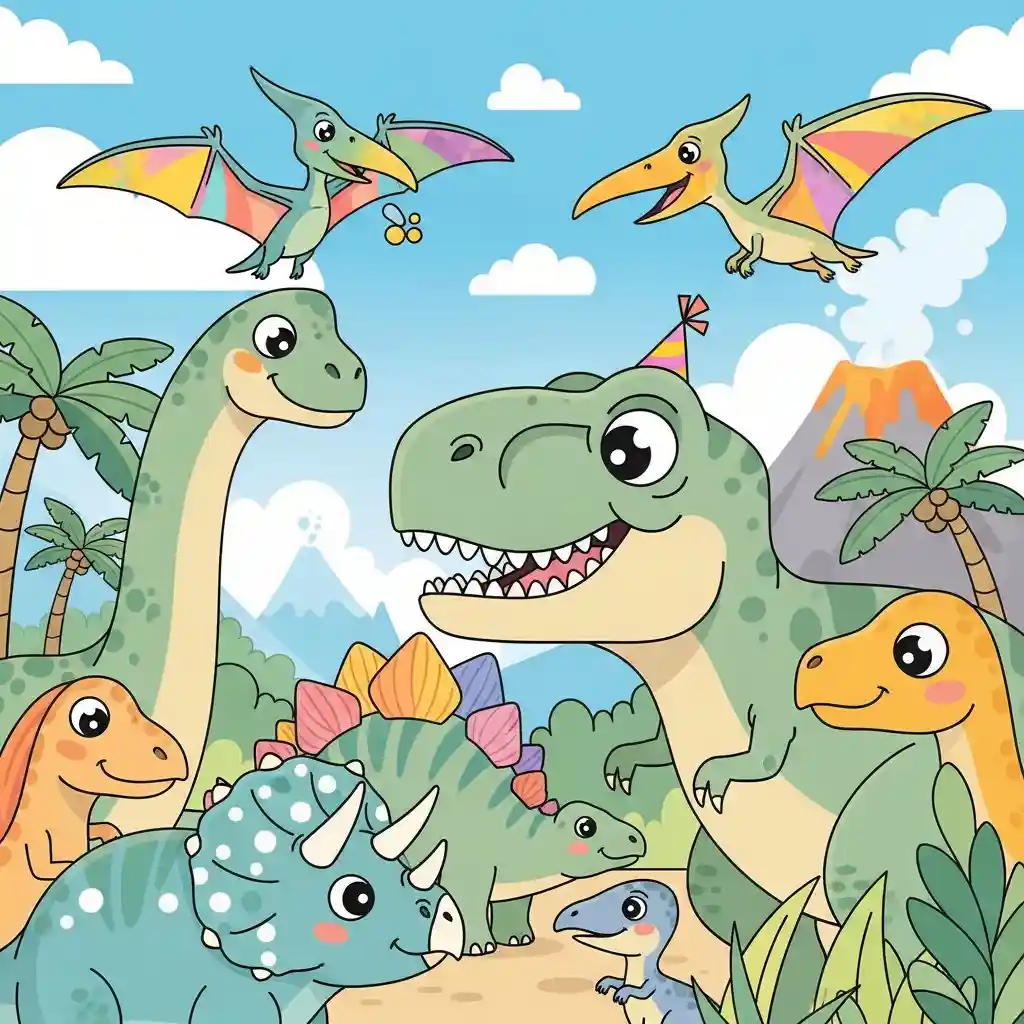
Research from Learning 4 Kids shows that themed activities encourage color experimentation, deepening engagement. Pairing coloring with facts, like “Did you know triceratops had three horns?” makes it interactive. This approach not only reinforces benefits like creativity but also promotes family bonding, as parents and children color together. You can take that creativity a step further by learning how to draw a dinosaur, turning simple coloring into a more hands-on artistic experience.
In conclusion, coloring’s benefits extend far beyond entertainment, offering tangible improvements in skills, health, and happiness. Whether for a child’s development or an adult’s recharge, it’s a simple yet powerful tool. Head to the homepage at DinosaurColorPages.com for dinosaur-themed pages to get started. With consistent practice, you might find it transforms your daily routine.