Dinosaur Herbivore vs Carnivore Sorting Activity
Kids love dinosaurs. Big ones, tiny ones, the ones with spikes and the ones with long necks. And somewhere between roaring like a T Rex and stomping around the living room, they start asking real questions. What did dinosaurs eat? Did they all eat meat? Why did some have such big teeth?
That curiosity is gold. This dinosaur herbivore vs carnivore sorting activity turns those questions into a hands-on learning moment that still feels like play.
Instead of just hearing the words herbivore and carnivore, children get to see the difference, touch the pieces, and make their own decisions. That kind of learning tends to stick.
What Kids Learn From This Activity
At first it looks simple. Just dinosaurs and two groups. But there is a lot going on in those little brains while they sort.

They begin to understand that animals eat different kinds of food. Some dinosaurs ate plants like leaves and ferns. Others hunted or scavenged for meat. That idea alone helps build early science knowledge.
It also encourages observation skills. Kids start noticing details. Sharp teeth. Long necks. Claws. Beaks. They might not use those words yet, but they are paying attention. And when a child says, “This one looks like it could bite,” you know they are making connections.
There is also problem solving. Sometimes they will guess. Sometimes they will change their mind halfway through. That is learning in action, messy and wonderful.
How the Sorting Activity Works
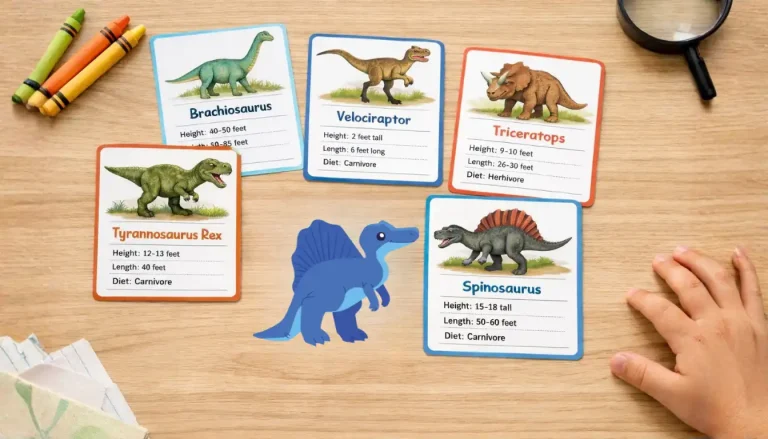
The printable set includes dinosaur cards and two sorting areas labeled herbivore and carnivore. Each card shows a different dinosaur in a kid friendly style that is easy to recognize and fun to handle.
Children look at one dinosaur at a time and decide where it belongs. Plant eater or meat eater. They place the card in the matching group and move on to the next one.
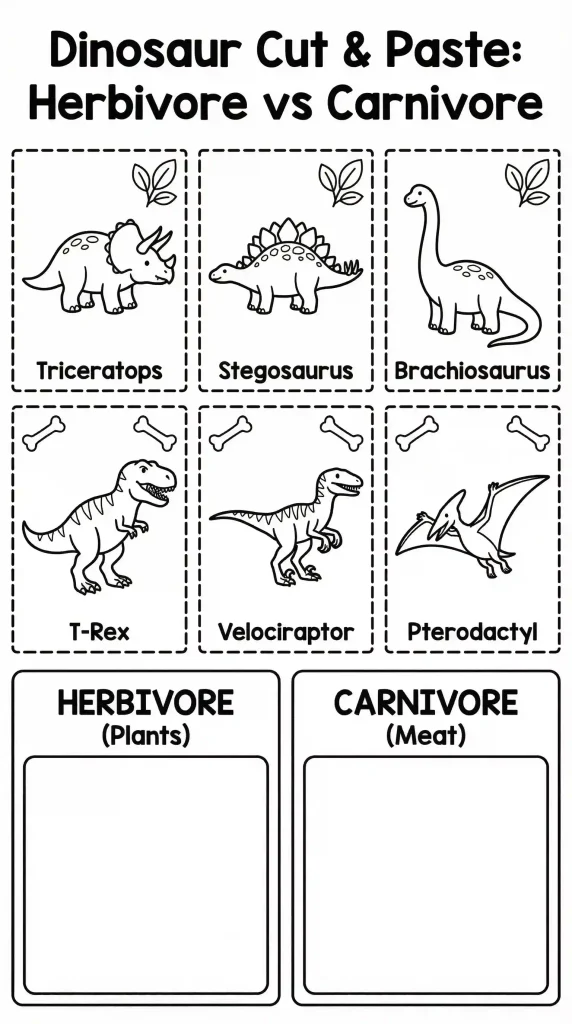
Some kids like to spread all the cards out and sort in batches. Others prefer to pick one, think hard, and place it carefully before touching the next. There is no wrong way to approach it.
You can gently guide the process by talking through their choices. Ask simple questions. Do you think this dinosaur had sharp teeth or flat teeth? What do animals with long necks usually reach for? Leaves or other animals?
These small conversations turn a quiet activity into a rich learning experience.
Making It Work for Different Ages
Preschoolers might sort mostly by guess and by what “looks scary” or “looks nice.” That is perfectly fine. At this stage, the goal is exposure to the idea that animals eat different foods.
Kindergarten and early elementary kids can go a bit deeper. You can introduce the actual words herbivore and carnivore and use them often. Repetition helps. You might even add a third category later for omnivores once they are ready.
If a child gets frustrated or unsure, it helps to remind them that scientists also make guesses and learn new things all the time. Not every answer has to be perfect on the first try.
Adding a Little Extra Fun
Once the cards are sorted, the learning does not have to stop. Kids can count how many herbivores and carnivores they found. Which group is bigger? Which dinosaurs are their favorites from each side?

Some children like to line the dinosaurs up and create stories. The plant eaters grazing together. The meat eaters on a pretend hunt. It turns into imaginative play before you even realize it.
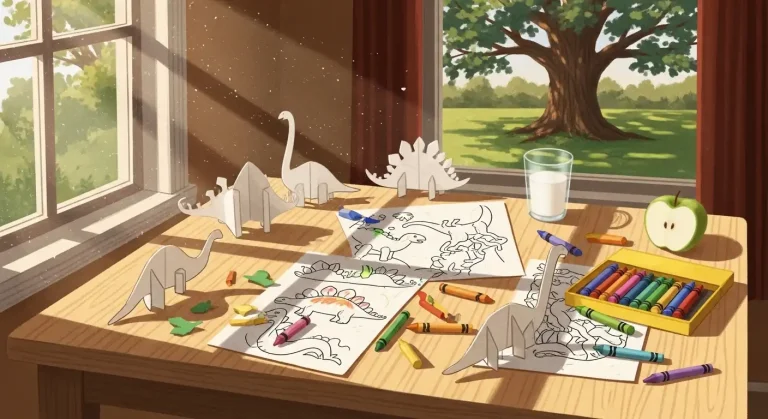
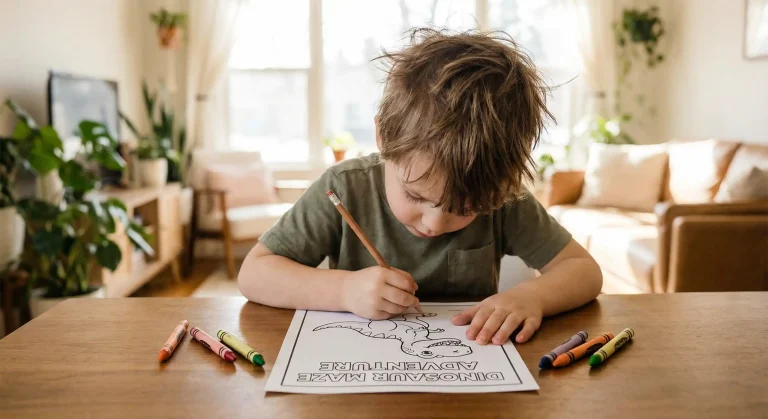
You can also pair this with coloring pages of the same dinosaurs. After sorting, they color a herbivore and a carnivore and talk about what each one would be eating. Leaves for one. Maybe another dinosaur for the other. That usually gets a giggle.
Why Hands On Learning Matters
Worksheets have their place. So do books and videos. But there is something special about physically moving pieces around, especially for younger kids.
Touching and sorting helps children process information in a deeper way. It slows them down just enough to think. And because it feels like a game, they stay engaged longer than you might expect.

You might even notice them bringing up herbivores and carnivores later while reading a dinosaur book or watching a show. That is when you know the idea has really settled in.
A Simple Way to Explore Big Science Ideas
Dinosaurs might be long gone, but they are still one of the best gateways into science for kids. Big concepts feel less intimidating when they come wrapped in something as exciting as a Triceratops or a Velociraptor.
This herbivore vs carnivore sorting activity keeps things simple, visual, and playful. No pressure. No long lectures. Just kids, dinosaurs, and a chance to explore how different creatures survive in the world around them.
And honestly, if a child walks away proudly announcing that a Brachiosaurus would never chase its dinner, that is a pretty great outcome.