Dinosaur Coloring Pages with Fun Facts
There is something quietly magical about a kid sitting with a crayon, lost in the curve of a dinosaur’s tail. The room softens. The noise drops. You can almost hear their thoughts ticking along as they fill in scales and spots. Adding a few simple fun facts to that moment gives the coloring page a little more weight. Not in a heavy, schoolwork way. More like a small spark of curiosity that might stick around longer than the color on the page.
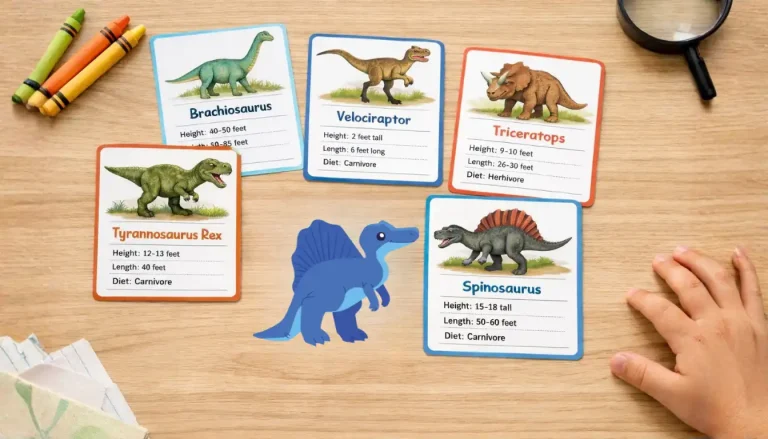
Dinosaur coloring pages with fun facts live in that sweet middle space. They feel playful. They also invite questions. How big was that dinosaur really? What did it eat? Did it have sharp teeth or a gentle beak? You do not need to turn coloring time into a lesson. The facts are there as quiet companions, waiting if a child feels like reading them.
Why kids lean into dinosaurs so easily
Dinosaurs are dramatic in the best way. Big bodies. Strange shapes. Names that sound like spells from a storybook. Kids do not need much convincing to care about them. The creatures already feel like characters, even when drawn simply. That makes coloring pages feel less like worksheets and more like tiny windows into a world that does not exist anymore but somehow still feels close.
There is also comfort in repetition. Kids tend to return to the same dinosaur types again and again. The long neck. The spiky back. The one with the big teeth. Seeing familiar shapes helps them relax into the activity. The fun facts add a new layer each time. The same dinosaur can feel fresh just because the fact changes the way a child looks at it.
How fun facts change the coloring moment
Coloring on its own is calming. Adding a short fact turns that calm into something gently active. A child might pause mid stroke to ask what the word carnivore means. They might try to imagine how tall a dinosaur was compared to their own house. These moments do not interrupt the calm. They soften it with curiosity.
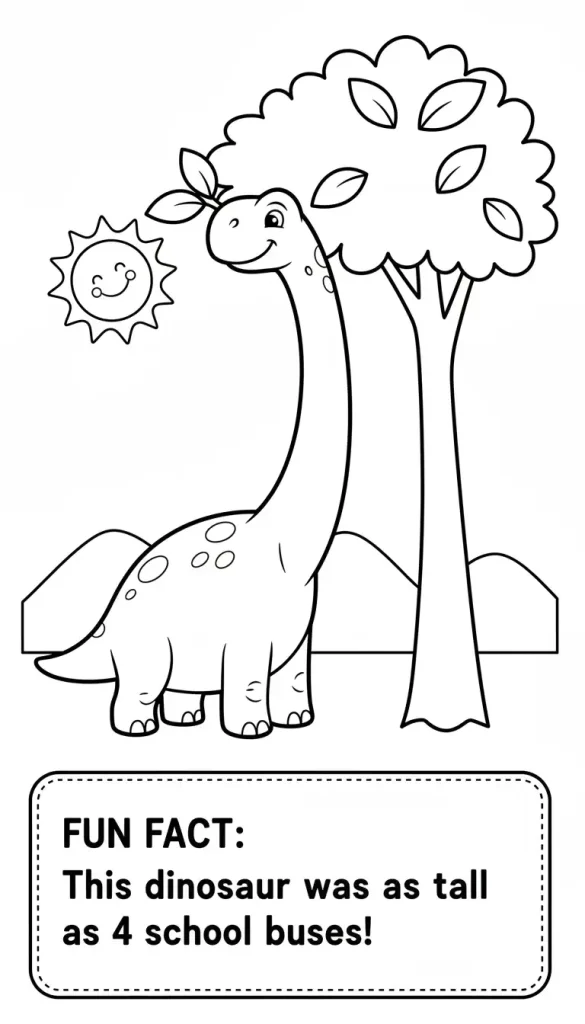
The key is keeping facts simple. One clear idea at a time. A size comparison. A note about diet. A small detail about where fossils were found. When facts stay light, kids can dip in and out of them. No pressure. No feeling of being tested. Just small sparks of wonder that might lead to a few questions at the dinner table later.
What you might include on a coloring page
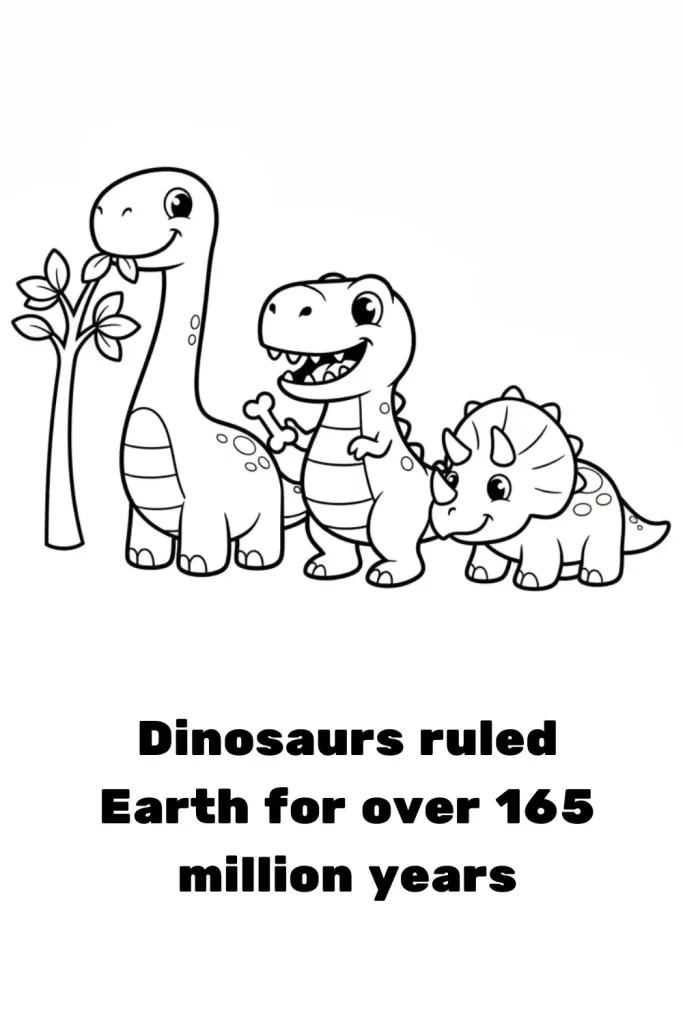
Not every page needs a long paragraph of information. A single sentence can be enough to shift the tone from pure coloring to gentle learning. You might see something like this tucked near the bottom of a page.
- This dinosaur ate plants and spent most of its day looking for leaves.
- This one had sharp teeth and hunted smaller animals.
- Fossils of this dinosaur have been found in North America.
These kinds of details do not overwhelm. They sit quietly on the page, ready to be noticed or ignored. Both are fine. Kids move through learning in their own rhythm, and coloring pages work best when they respect that rhythm.
Using these pages in everyday moments
These coloring pages fit into small pockets of time. After school, when everyone is tired and hungry. On a rainy afternoon when the house feels too loud. At the kitchen table while dinner is coming together. They do not demand a big setup or a long attention span. A few pages and some crayons are enough.
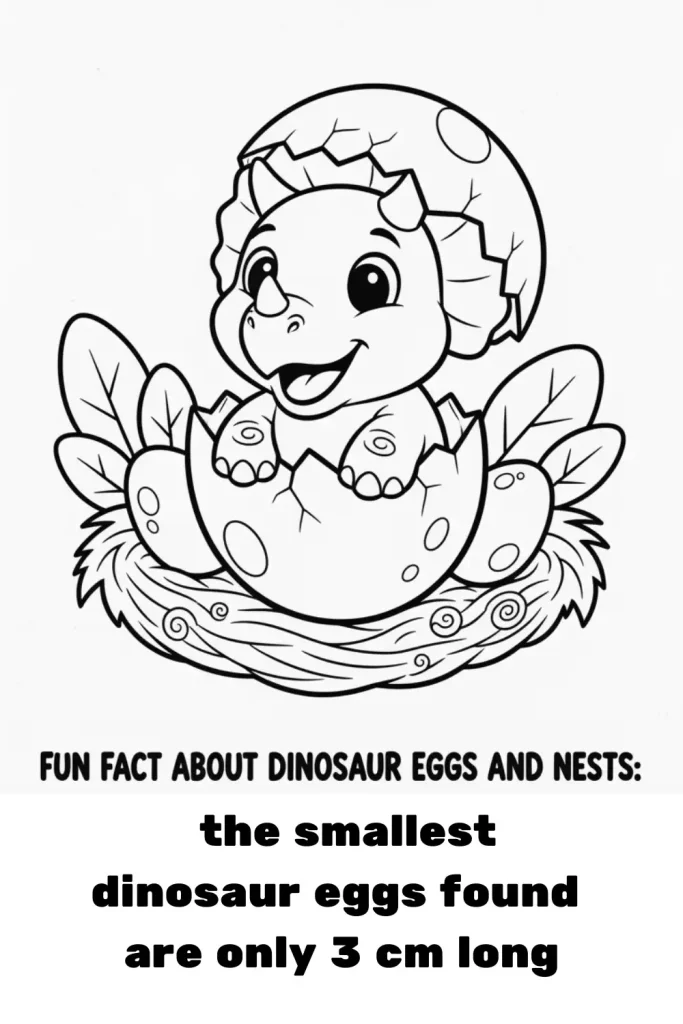
You might notice that kids return to the same page more than once. The first time they color fast and loose. The second time they slow down. Maybe they read the fact out loud. Maybe they ignore it. Both are part of the process. The page is there as a gentle invitation, not a requirement.
Letting curiosity lead without pushing
It can be tempting to turn every fun fact into a mini lesson. Sometimes that works. Often, it does not. Kids tend to open up more when the information is just there, quietly available. If they ask questions, you follow. If they do not, you let the coloring be enough for that moment.
There is a small trust in this approach. Trust that curiosity grows when it feels safe. Trust that not every activity needs to be productive in an obvious way. Coloring pages with fun facts are useful because they respect that balance. They offer something extra without demanding attention.
A gentle mix of play and learning
Dinosaur coloring pages with fun facts do not try to be everything at once. They are simple by design. A picture to color. A small piece of information to notice if a child feels like it. That simplicity is what makes them work. They fit into real life. Messy tables. Half finished pages. Conversations that wander.
In those ordinary moments, a child might learn that some dinosaurs ate plants. They might learn how tall one was compared to a bus. Or they might just color the tail purple and move on. All of it counts. All of it is part of how kids make sense of the world, one small, curious moment at a time.