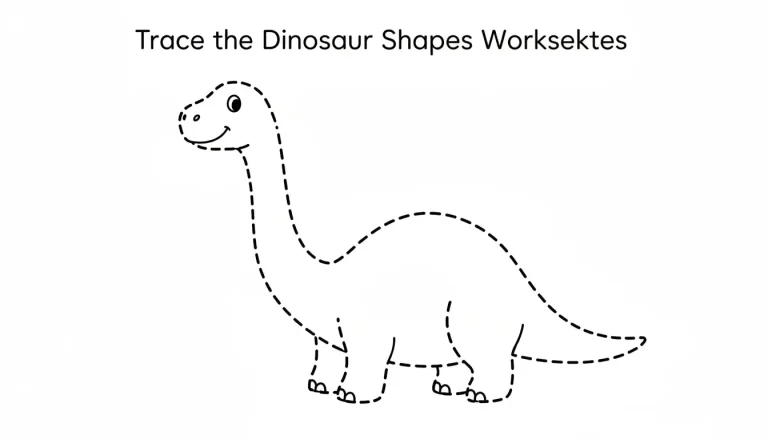
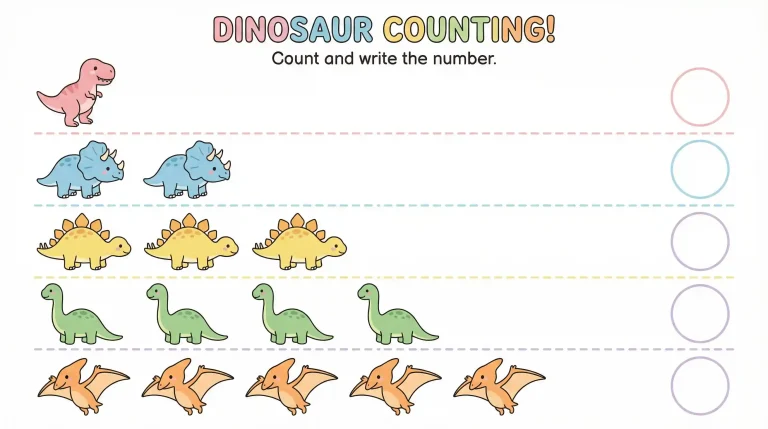
Dinosaur Fact Cards for Kids Printable Set
There is something about dinosaurs that pulls kids in fast. Maybe it is the size. Maybe it is the teeth. Or maybe it is just the idea that these creatures once walked the same planet we do. Whatever the reason, once a child gets interested in dinosaurs, the questions start coming.
How big was it?
What did it eat?
Did it really have feathers?
That curiosity deserves something better than a rushed answer.
Dinosaur fact cards give kids small, manageable pieces of information they can actually absorb. Not a whole textbook. Not a long lecture. Just clear, simple facts that feel exciting instead of overwhelming.
Why Fact Cards Work So Well for Kids
Children learn best in short bursts. A quick fact here. A surprising detail there. It sticks better that way.
Fact cards break information into bite sized pieces. One dinosaur per card. A picture to anchor the learning. A few interesting facts that spark imagination. When a child reads that a Brachiosaurus had a neck long enough to reach tall trees, you can almost see the mental image forming.
It also gives them a sense of ownership. They can hold the card. Flip it over. Show it to someone else. Suddenly they are not just learning. They are sharing knowledge.

And that sharing matters. Kids love saying, “Did you know…” before launching into a dinosaur fact at dinner.
What’s Included in a Dinosaur Fact Card Set
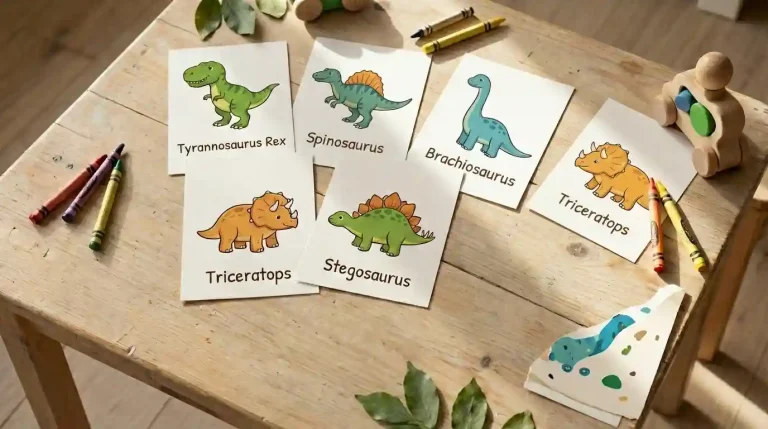
A well designed printable set keeps things simple and clear. Each card typically includes:
The dinosaur’s name in easy to read text
A friendly illustration or realistic drawing
A few key facts about size, diet, habitat, or time period
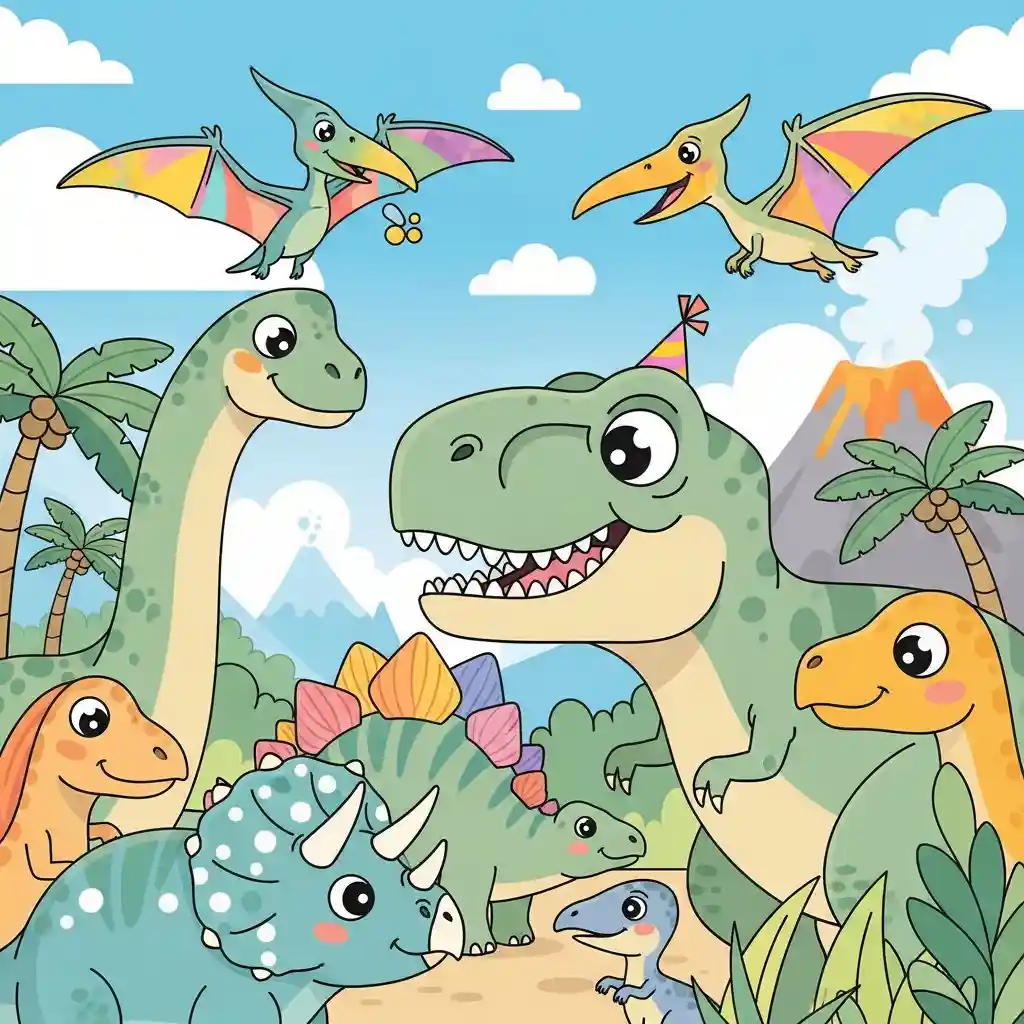
The goal is clarity, not clutter. Too much information can shut kids down. A few strong facts keep them engaged and curious for more.
Popular dinosaurs like Tyrannosaurus Rex, Triceratops, and Stegosaurus are usually included, along with a few lesser known ones to keep things interesting. Sometimes the unfamiliar names are the ones kids remember best, simply because they sound funny or dramatic when said out loud.
Ways to Use Dinosaur Fact Cards at Home
You do not need a formal lesson plan. Honestly, most of the best learning happens in between other things.
Leave a few cards on the table and talk about one during snack time. Keep a small stack in a reading corner. Let your child pick one at random and read it together.
Some families turn it into a quick quiz game. You read the facts and let your child guess the dinosaur. Or you hold up the dinosaur image and ask what it might have eaten. The goal is not perfect answers. The goal is conversation.
You might even find yourself learning something new. It happens.
Bringing Fact Cards Into the Classroom
In a classroom setting, dinosaur fact cards can support science units in a relaxed, interactive way. Teachers can use them during circle time, small group activities, or as part of a learning center.
Students might match dinosaurs by diet, size, or time period. They can also practice reading skills by taking turns reading facts aloud. It builds confidence in a low pressure way.
Some classrooms create a dinosaur fact wall, adding one new card each day. The slow build keeps interest alive without overwhelming young learners.
Supporting Early Science and Reading Skills
Dinosaur fact cards do more than entertain. They help children practice reading comprehension, vocabulary, and basic science concepts.
Words like herbivore, carnivore, extinct, and fossil start to feel familiar instead of intimidating. Even if kids do not fully grasp every detail, exposure matters. Repeated exposure builds understanding over time.
There is also something powerful about connecting reading with curiosity. When children realize that reading helps them discover new information about things they love, motivation grows naturally.
A Simple Way to Encourage Big Questions
Dinosaurs are often a child’s first real introduction to science. They open the door to conversations about history, nature, extinction, and how scientists learn about the past.
Printable dinosaur fact cards make that doorway easy to step through. They offer structure without pressure. Information without overload. And just enough mystery to keep kids asking for one more card.
Sometimes all it takes is a small stack of facts to spark a much bigger interest in the world.