Dinosaur Reward Chart for Kids (Free Printable for Positive Habits)
Some days feel like a small victory just getting shoes on the right feet. If you’re in that season of parenting, you’re not alone. Routines sound simple on paper, but in real life they come with forgotten socks, spilled cereal, and a lot of negotiation before breakfast. A dinosaur reward chart can help bring a little structure to those moments without turning your house into a sticker factory.
It’s not about pressure. It’s about giving kids something visual they can touch and understand. A small nudge that says, hey, you showed up for that task today. That counts.
Why Reward Charts Work for Young Kids
Kids live in the now. Long term goals feel fuzzy, but a chart they can see on the fridge feels real. When they color in a box or add a sticker after brushing their teeth, something clicks. They connect effort with outcome. Not in a heavy way. Just enough to build a habit without making it a big production.
There’s also something grounding about the ritual of it. Morning routine, quick check in. Evening routine, another small moment of noticing. Over time, those moments add up to steadier days. Not perfect days. Just steadier ones.
Why Dinosaurs Make It Easier
Dinosaurs are a little magical. They’re big and mysterious and somehow still comforting. When a chart has a friendly dinosaur smiling back at your child, it feels less like a chore chart and more like part of a game. That alone can change the tone of the day.

Some kids will race to fill in their chart just because the dinosaur is cheering them on. Others will take their time, and that’s fine too. The goal is not speed. It’s showing up.
How to Use a Dinosaur Reward Chart at Home
Start small. Pick two or three habits you actually care about right now. Maybe brushing teeth, getting dressed, and putting toys away. Write them down together. Let your child help choose which dinosaur goes with which habit. That little bit of choice matters more than it sounds.
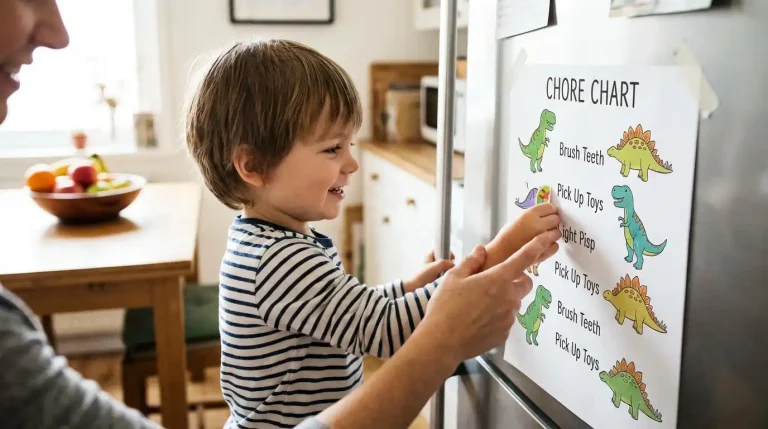
Keep the chart where your child can see it. Fridge doors work. So do bedroom walls, as long as it doesn’t turn into background noise. When a box gets filled in, notice it out loud. A simple you did it today can go a long way.
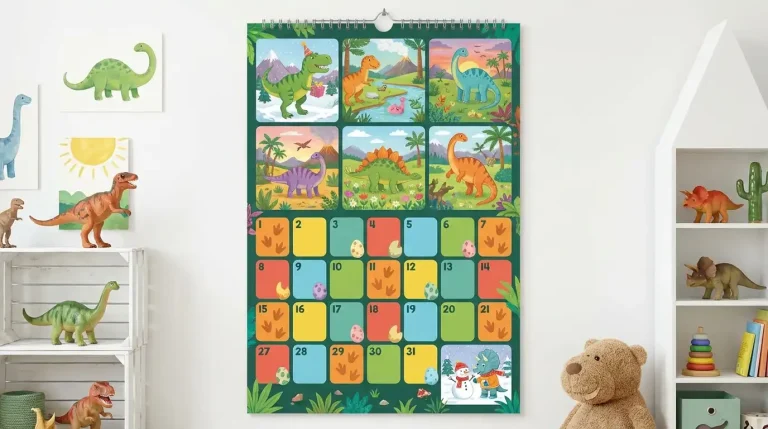
Rewards don’t have to be big. Sometimes the reward is just finishing a row and getting to color in the dinosaur. If you do offer something extra, keep it gentle. A family movie night. Choosing the next bedtime story. Small things that feel like shared time, not a transaction.
What Kids Learn Along the Way
Over time, the chart fades into the background and the habit stays. That’s the quiet win. Kids start to recognize their own patterns. They notice that brushing teeth happens every night. They see that helping clean up makes the room feel calmer. You’re not lecturing them about consistency. They’re discovering it on their own, one small square at a time.
There’s also room for messy days. If a box stays empty, it’s not a failure. It’s just information. Tomorrow is another square waiting to be filled.
Making It Feel Like Their Own
Let kids decorate their chart. Stickers. Crayons. Even the occasional scribble dinosaur that looks more like a potato. When it feels like their creation, they care more about using it. It becomes part of their space, not just another adult idea taped to the wall.
You can also rotate dinosaurs if your child’s interests shift. One week it’s a friendly T Rex. The next it’s a long necked giant who looks like he gives great hugs. There’s no rule that says the chart has to look the same forever.
When to Take a Break
If the chart starts to feel heavy, take a pause. Not everything needs tracking. Sometimes routines settle in and the chart has done its job. You can fold it up, thank it quietly for the help, and move on. There’s something oddly satisfying about that moment too.
A Small Tool for Real Life
Parenting is a lot of tiny systems stacked on top of each other. None of them fix everything. A dinosaur reward chart won’t solve every morning meltdown or bedtime standoff. But it can soften a few edges. It can give you and your child a shared language for effort. And some days, that’s enough to make things feel lighter.
If it helps even a little, it’s doing its job.
Did you like the chart? please comment down about your favorite part and explore more fun at dinosaurcolorpages.com.