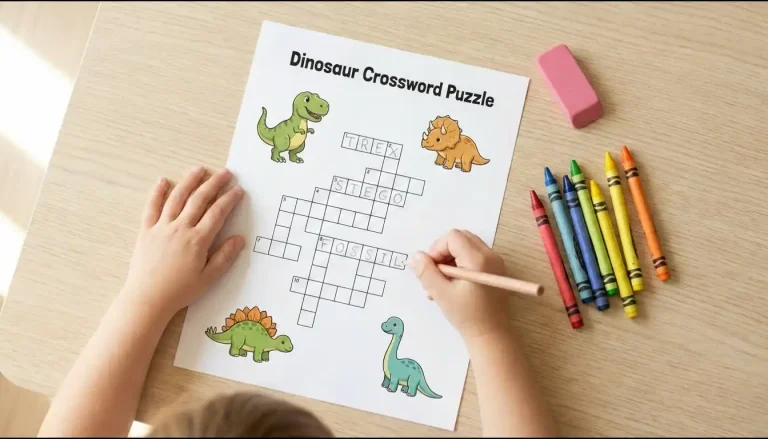
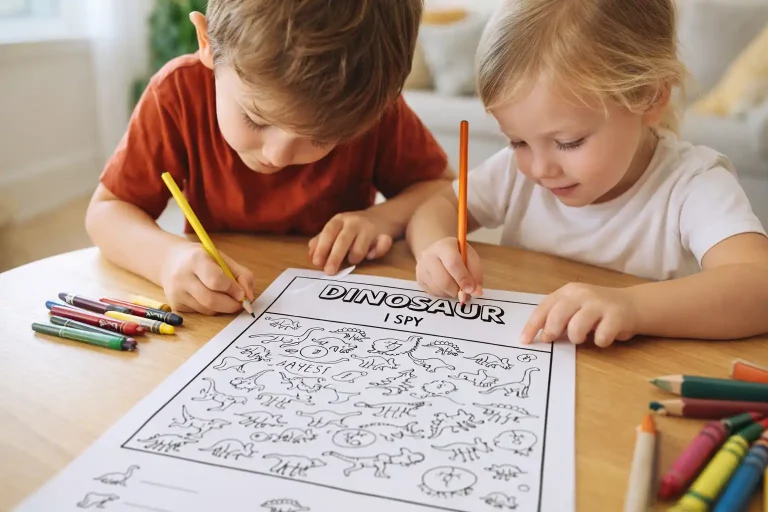
Realistic Dinosaur Coloring Pages
There’s a moment when a kid stops coloring blobs of green and starts asking real questions. Why does this dinosaur have spikes. Did they really have feathers. How big were their eyes. That’s usually the moment when simple cartoons start to feel a little flat.
Realistic dinosaur coloring pages sit in that in between space. They are still friendly enough for kids, but they carry just enough detail to spark curiosity. The lines feel thoughtful. The shapes look like something that once walked around on this planet. Coloring turns into a quiet kind of exploring.
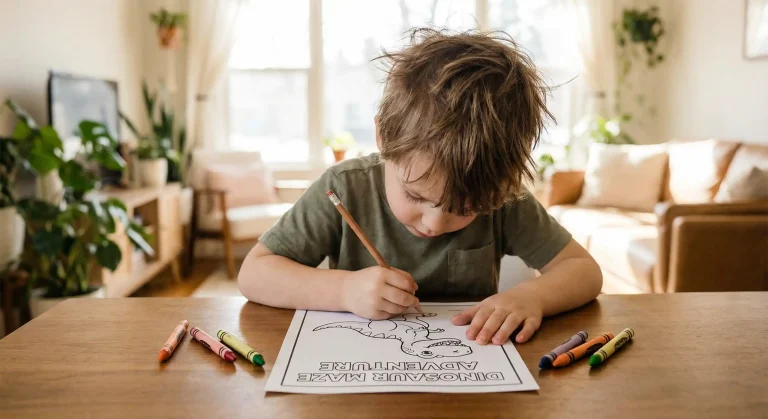
Parents notice the shift too. Kids slow down. They take longer with a page. They start paying attention to small things like scales on a tail or the curve of a claw. It feels less like busy work and more like time spent with something interesting.
What makes a dinosaur coloring page feel realistic
Realistic does not have to mean intimidating. The goal is not perfect scientific accuracy in every tiny detail. It is more about giving kids a sense that these were real animals with bodies that made sense.
A realistic page usually leans on natural poses. Dinosaurs standing, walking, looking around, not just roaring at the sky for no reason. The bodies feel balanced. Heads connect to necks in a way that looks possible. Legs look like they could actually hold the dinosaur up.

You might also notice texture. Scales, feathers, ridges along a back. These small touches give kids something to work with. They start thinking about how skin might look. Some kids even ask what colors dinosaurs really were, which is a great place to have a small, honest conversation about how we are still guessing a lot.
Why kids tend to focus longer on detailed pages
There is something grounding about detail. When a page has more to look at, kids linger. They trace lines with their eyes. They choose colors more carefully. It slows the whole experience down in a good way.
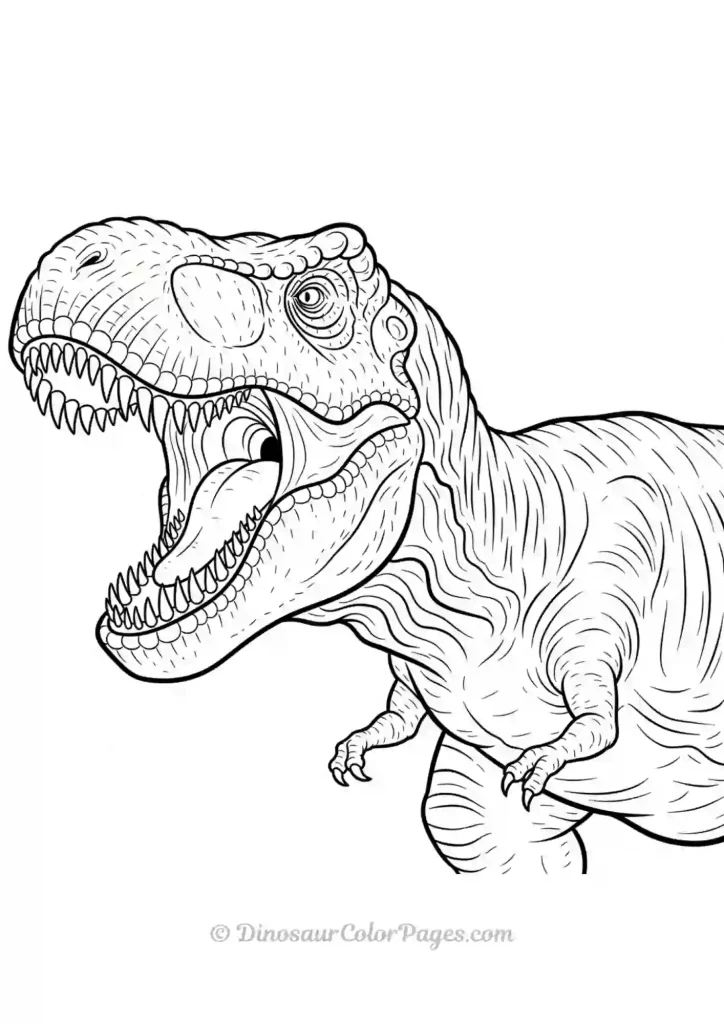
This kind of coloring works well for kids who already love dinosaurs and want more than a quick win. It also works for kids who need a calmer activity after a loud day. The detail invites quiet attention. Not silence exactly. More like a soft hum of focus.
Some parents worry detailed pages might frustrate younger kids. That can happen, but often kids surprise us. They do not need to finish perfectly. They just need space to try. Even partial coloring still counts as time spent creating something.
How realistic coloring pages can support learning without feeling like a lesson
You do not have to turn coloring into a full science lesson. It is okay to let it stay simple. Still, learning tends to sneak in.
A child colors a long neck and asks why it is so long. Another colors sharp teeth and wonders what that dinosaur ate. These questions come up naturally. You can answer simply. Sometimes saying I am not totally sure is fine too. It models curiosity instead of pretending to know everything.
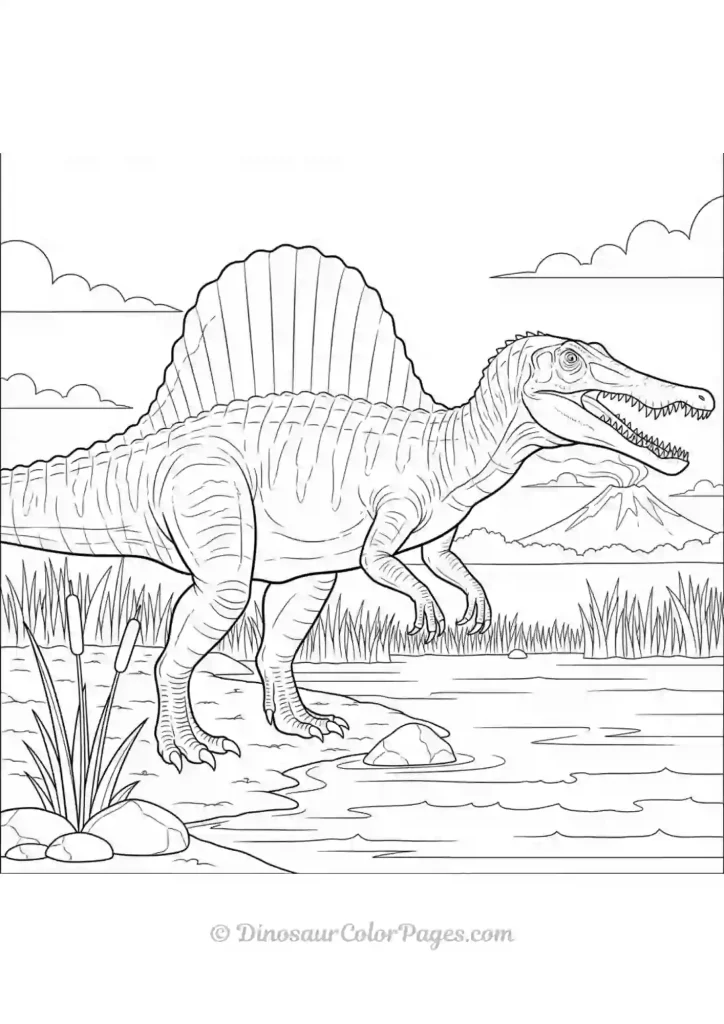
Over time, kids start recognizing shapes. They notice that some dinosaurs have plates on their backs. Others have horns. Others look more like birds. The pages become quiet reference points. Not formal facts. Just familiar forms that build understanding slowly.
Making space for realistic coloring at home
You do not need a big setup. A small stack of printed pages, a handful of colored pencils, and a flat surface goes a long way. Some families keep a folder of coloring pages ready for slow afternoons. Others pull them out during quiet time before bed. There is no right rhythm.
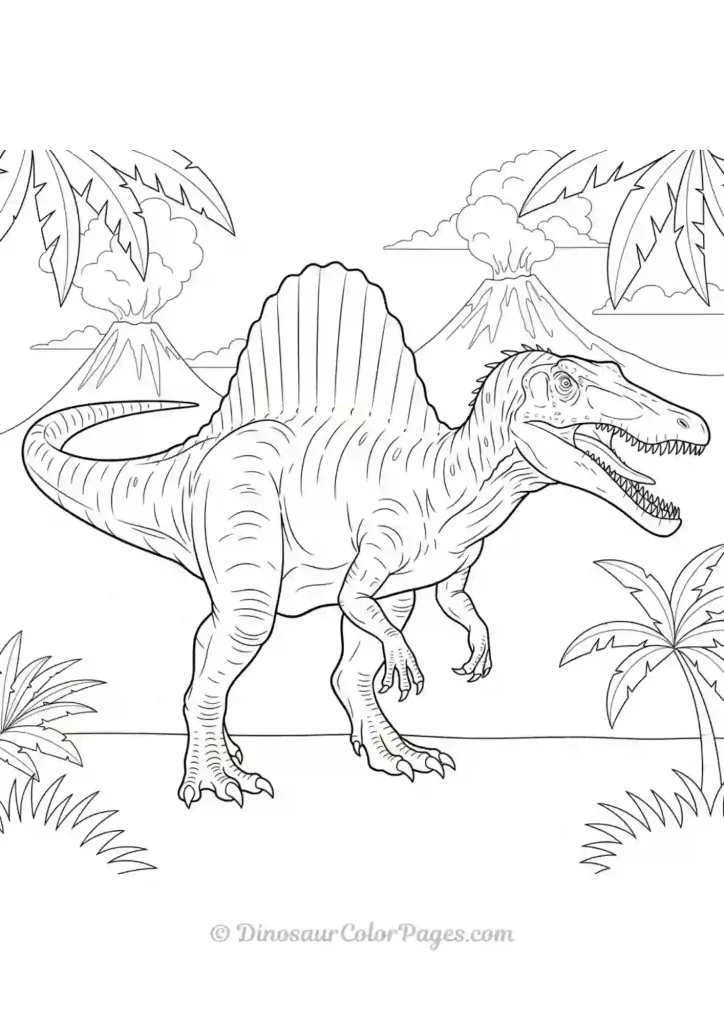
What helps is not rushing it. Let kids take breaks. Let them come back to the same page later. Some kids like finishing in one go. Others drift away and return. Both are fine.
If you join in, even for a few minutes, it changes the mood. Coloring side by side turns into a shared pause. No instructions. No performance. Just two people filling in lines and occasionally talking about dinosaurs that lived a very long time ago.
A small note for parents who worry about realism
It is okay if your child colors a realistic dinosaur bright pink. Realism in line work does not have to mean realism in color choice. Kids use color to play, to imagine, to claim the page as theirs. The value is in the attention and the curiosity, not in matching a museum illustration.
If a page sparks questions, great. If it just becomes a place to relax and color quietly, that is great too. Both are doing something good for a growing mind.
Why realistic dinosaur coloring pages keep showing up in family routines
They grow with kids. Younger children enjoy the shapes and textures. Older kids start noticing details and asking better questions. The same type of page can mean different things at different ages.
That makes realistic dinosaur coloring pages a quiet staple in a home. Not flashy. Not complicated. Just a steady, simple way to bring dinosaurs back to the table again and again, one careful line at a time.