DIY Dinosaur Hat Craft for Kids
There is something instantly delightful about a kid wearing a handmade hat. Add dinosaur spikes to it and suddenly they are not just a kid in the kitchen or classroom. They are a stomping, roaring creature from a long time ago, and they take that role very seriously.

A DIY dinosaur hat craft is one of those activities that feels big and exciting but is actually pretty simple to put together. It mixes art, pretend play, and a bit of silliness, which is usually the perfect combination.
Why Kids Love Wearing Their Crafts
Making something is fun. Wearing it is even better. When kids get to put their craft on their head and walk around with it, the experience shifts from quiet art time to full on imaginative play.
A dinosaur hat gives them a new identity for a while. They might stomp through the house, protect their dinosaur eggs, or announce that they only eat leaves today. You never quite know where the story will go, and that is part of the fun.
It also builds confidence. There is pride in saying, I made this, while showing off a hat covered in colorful spikes.
Simple Materials, Big Imagination
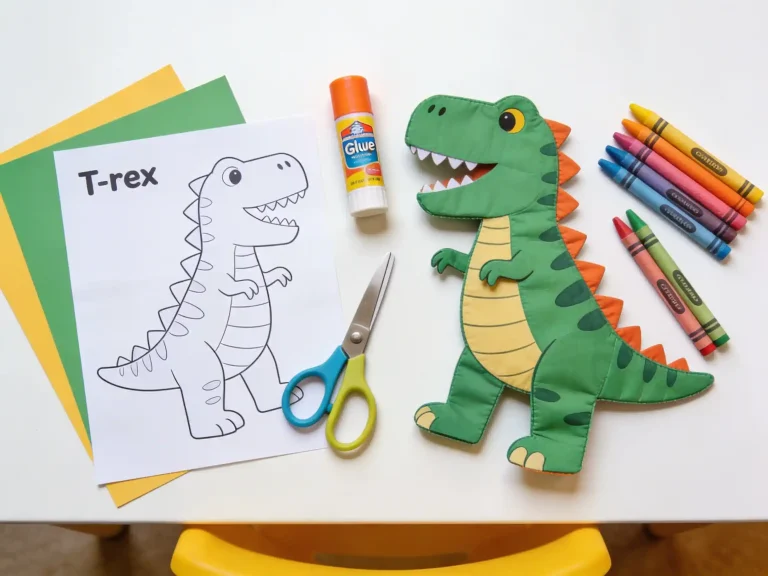
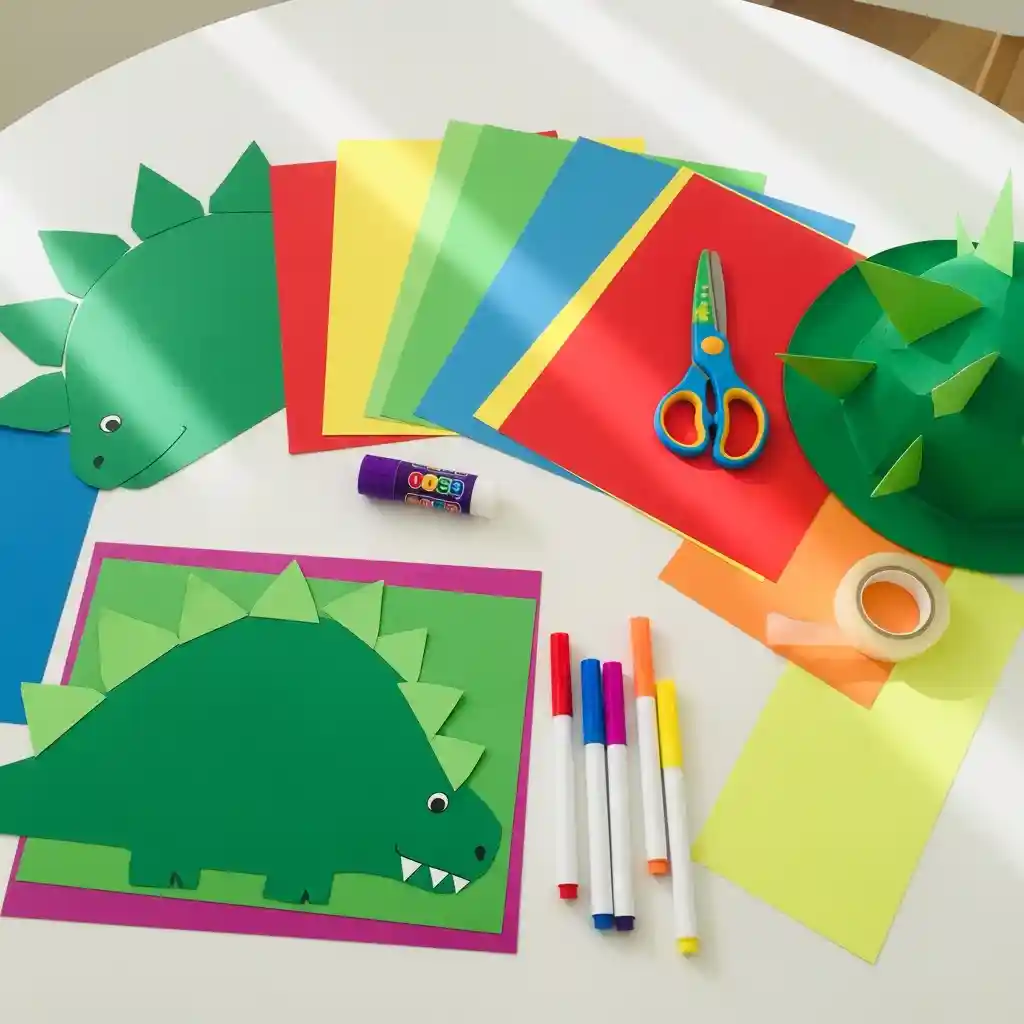
You do not need anything fancy for this craft. Construction paper works well for the base of the hat and the spikes. Tape or glue helps hold everything together. Safety scissors and crayons or markers are great for decorating.
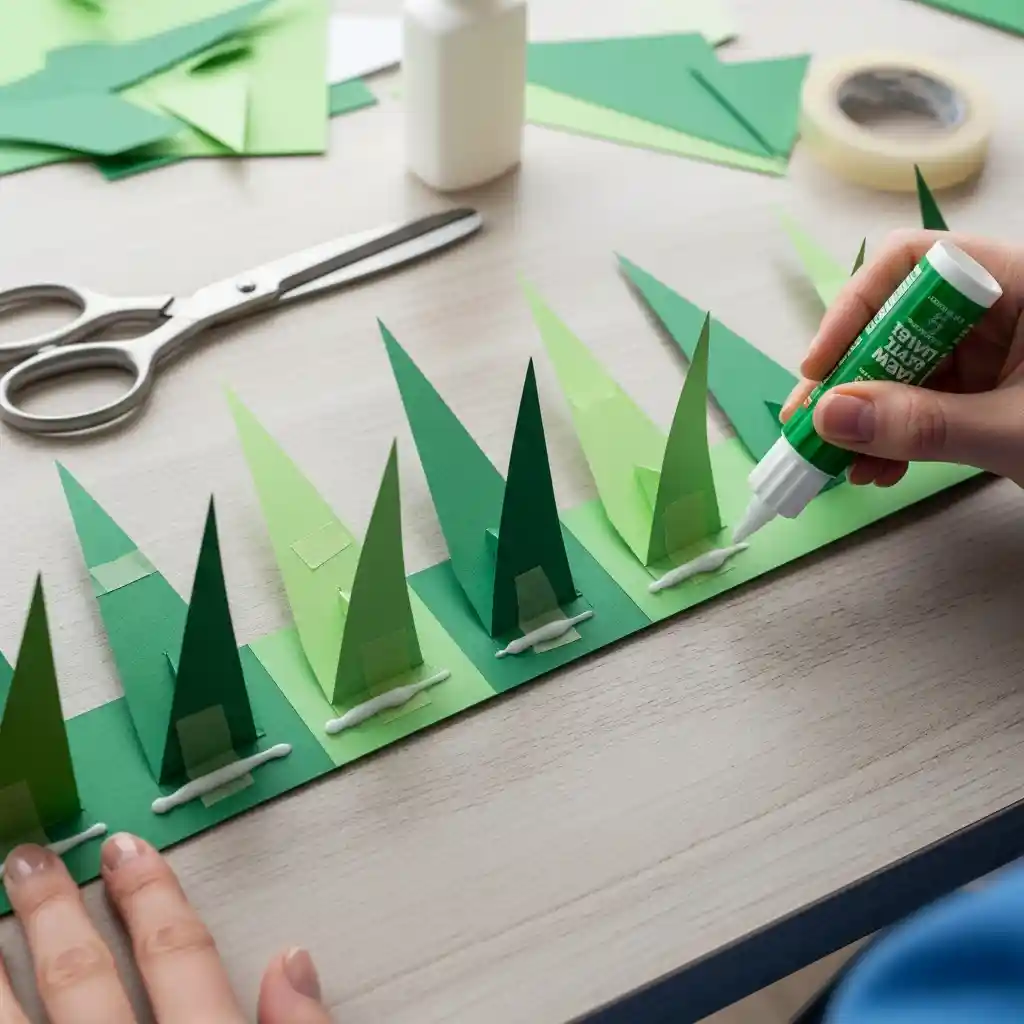
The base can be a long strip of paper that wraps around a child’s head like a crown. Once it fits comfortably, you can tape or glue the ends together. From there, the dinosaur details start to take shape.
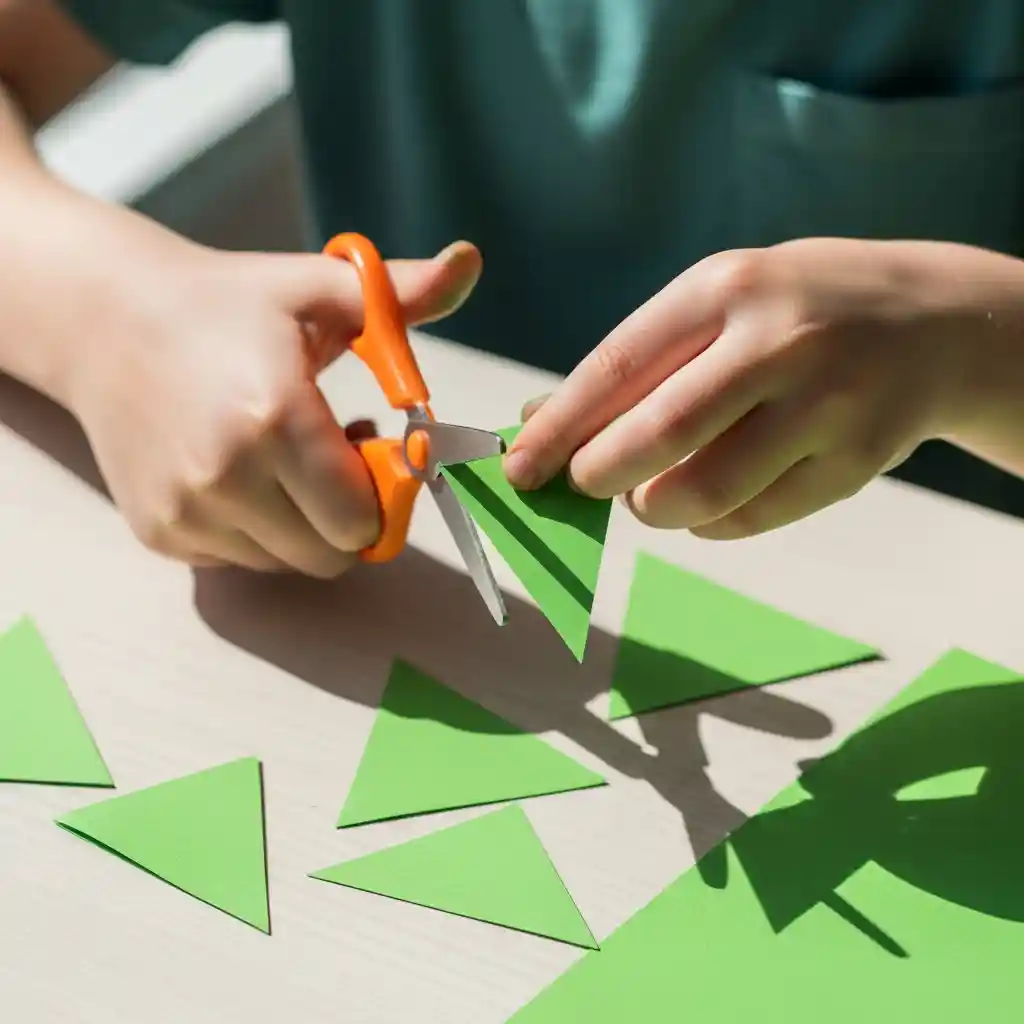
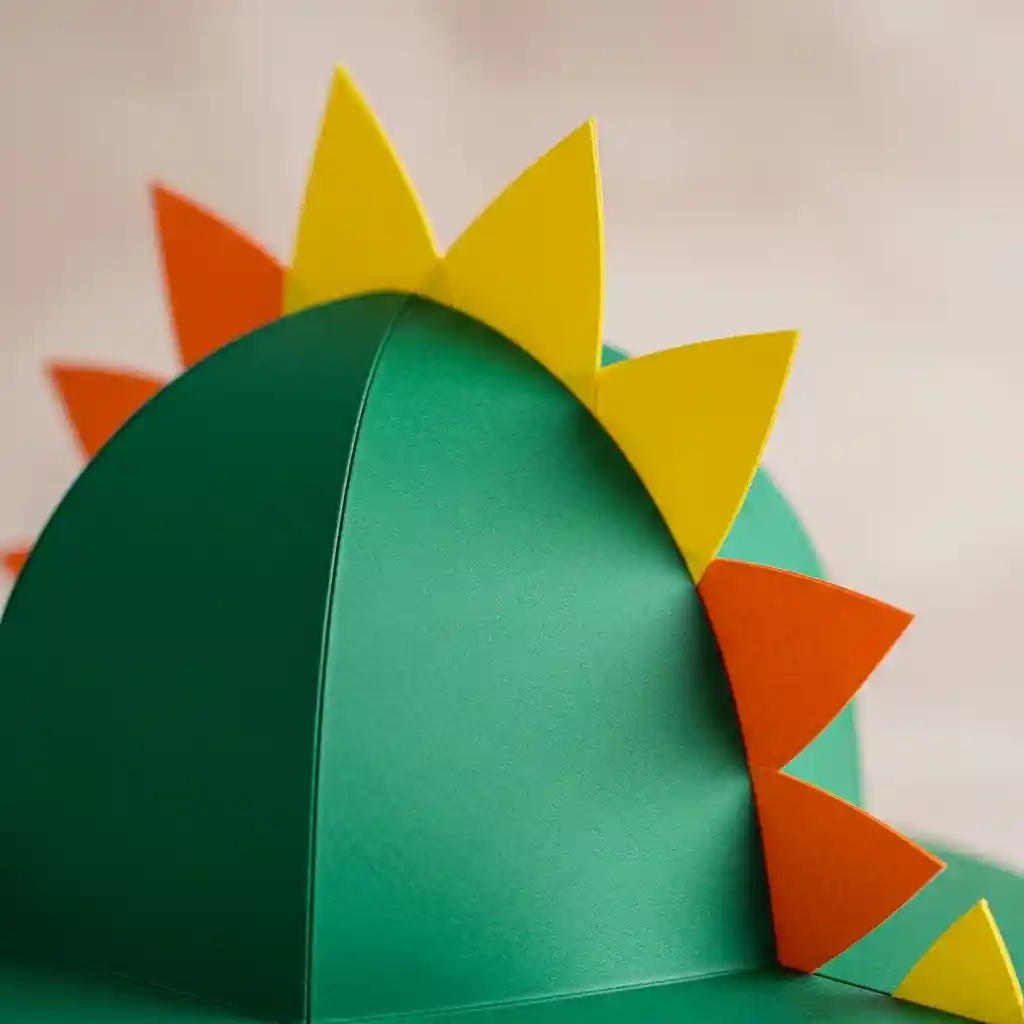
Triangles cut from paper become spikes running along the top or back. Some kids like tall dramatic spikes. Others prefer small ones all the way around. There is no single right way, which makes it a good craft for different ages and personalities.
Bringing the Dinosaur to Life
After the basic hat shape is ready, kids can decorate it however they like. Spots, stripes, zigzags, and swirls all make great dinosaur skin patterns. Some children add eyes or even teeth along the front edge, turning the hat into a full dinosaur head.
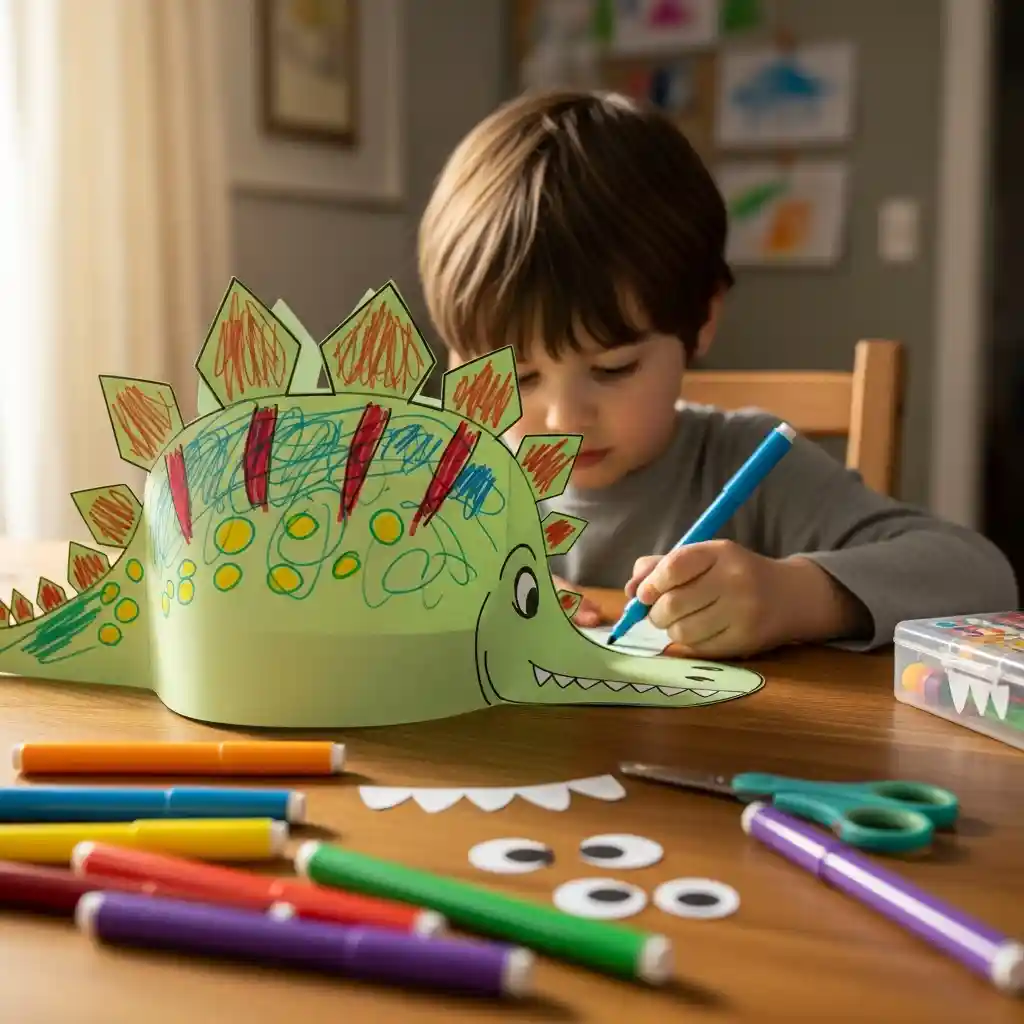
This part often turns into a quiet, focused moment. Kids lean in close, choosing colors and filling in spaces. It is also a nice time to talk about dinosaurs in a relaxed way. You might chat about what their dinosaur eats or where it lives while they draw.
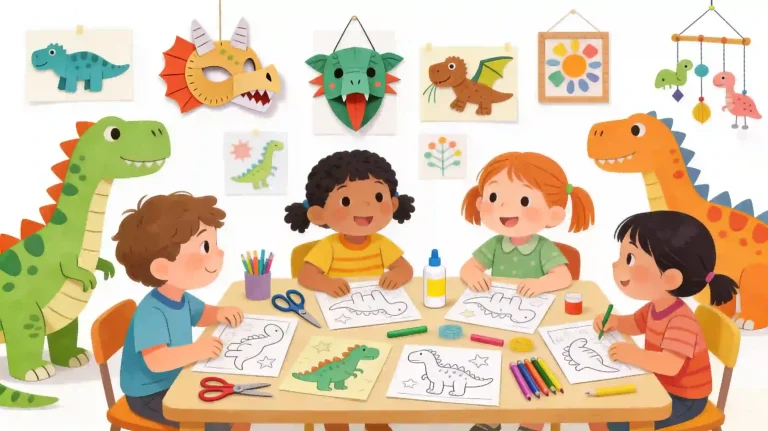
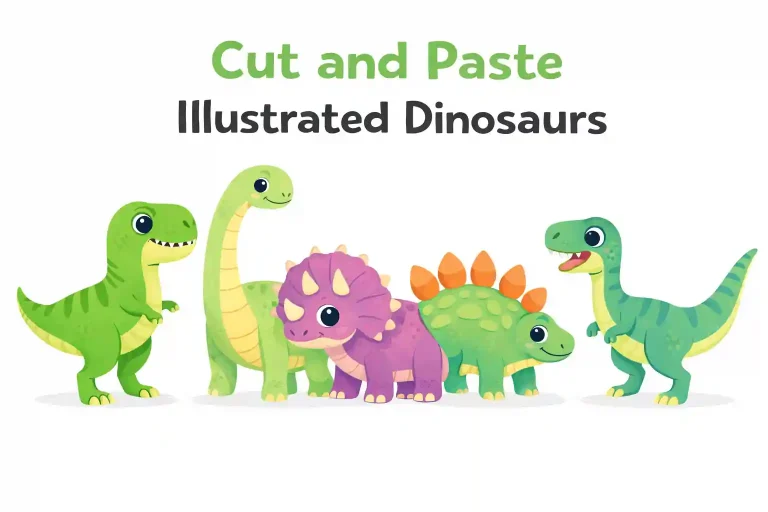
Fine motor skills get a workout here too. Activities like a cut and paste dinosaur scene give kids a fun way to practice these skills while building their own little world. Coloring, cutting spikes, and placing tape carefully all help strengthen hand control without it feeling like practice.
From Craft Table to Prehistoric Adventure
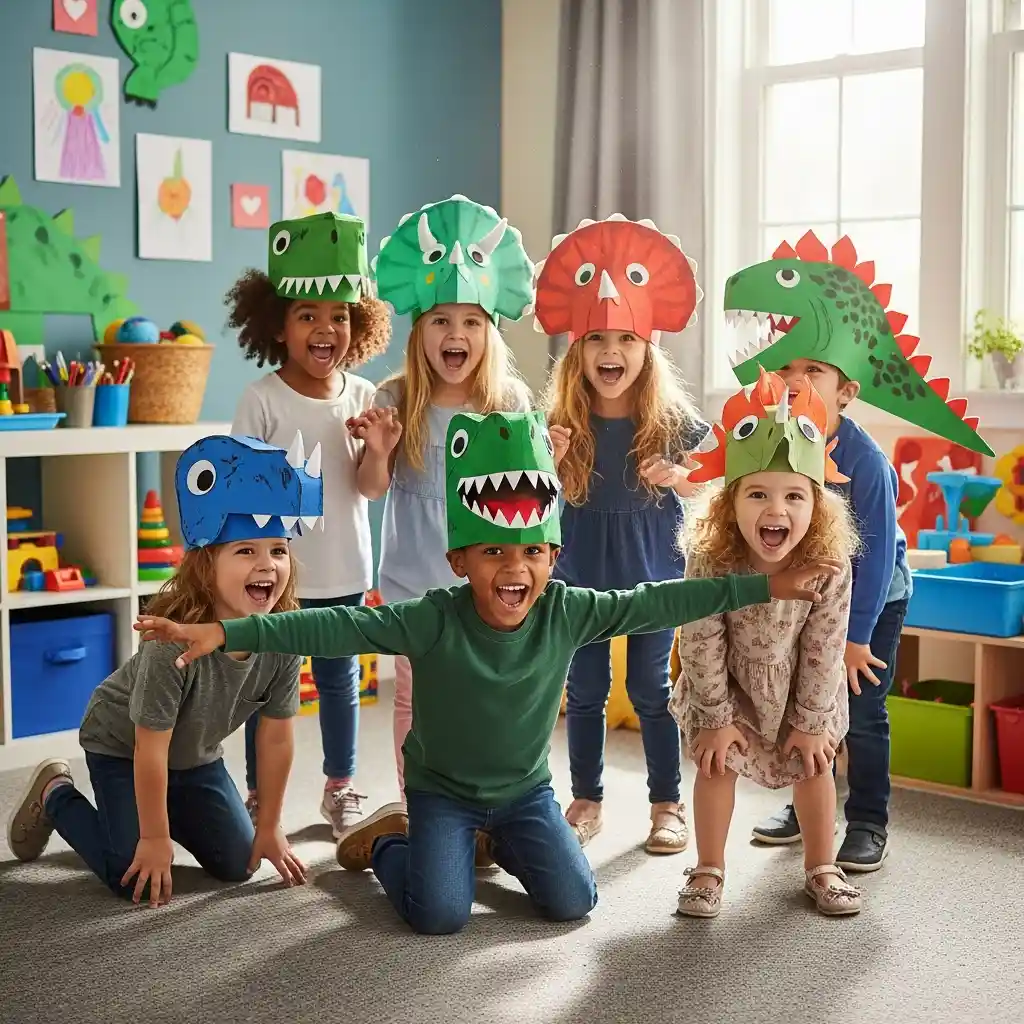
Once the hat is finished, the energy usually changes. Kids stand up straighter. They start moving differently. The dinosaur hat becomes a costume piece that sparks pretend play right away.
You might see a parade of dinosaurs marching through the living room. A quiet corner might turn into a dinosaur nest. If there are other kids around, they often invent group stories without much help.
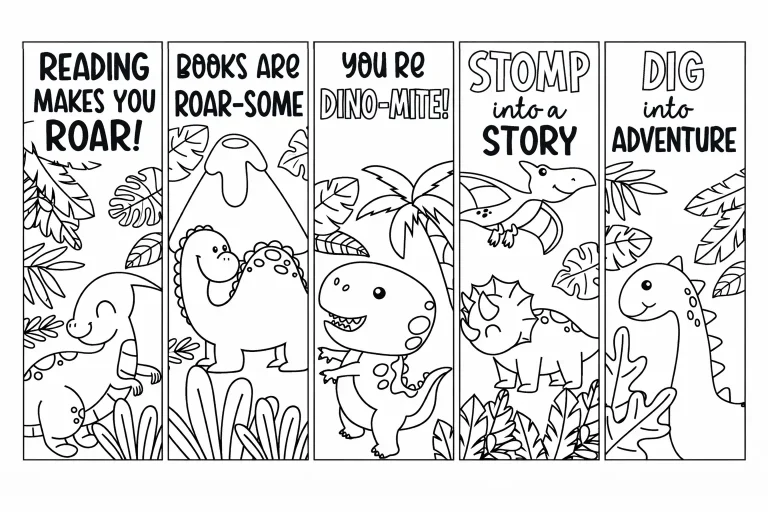
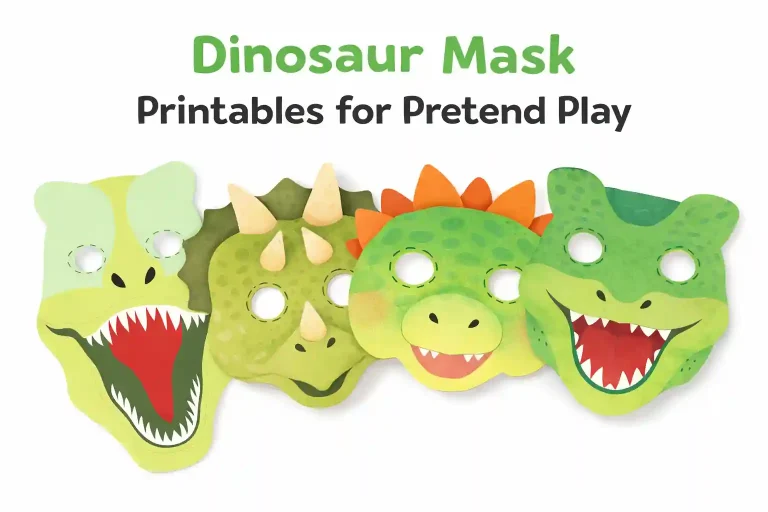
You can gently extend the theme with other calm dinosaur activities. Coloring pages, simple dinosaur books, or drawing their own dinosaur world on paper can keep the creative mood going after the initial excitement settles. Printable dinosaur coloring pages can fit nicely into this kind of themed play.
A Craft That Feels Special but Stays Simple
One of the nicest things about a DIY dinosaur hat craft is how special it feels without being complicated. It does not require perfect lines or precise measurements. A slightly uneven spike or a wobbly band just adds character.
Kids remember how it felt to wear something they made. They remember the roaring, the laughing, and the way everyone reacted to their dinosaur look. That mix of art and pretend play sticks with them longer than you might expect.
And really, any craft that ends with a house full of tiny dinosaurs stomping around is doing something right.