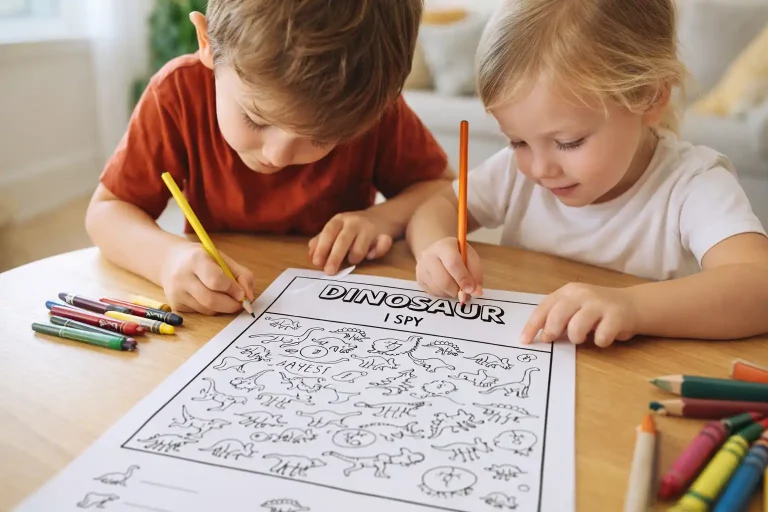
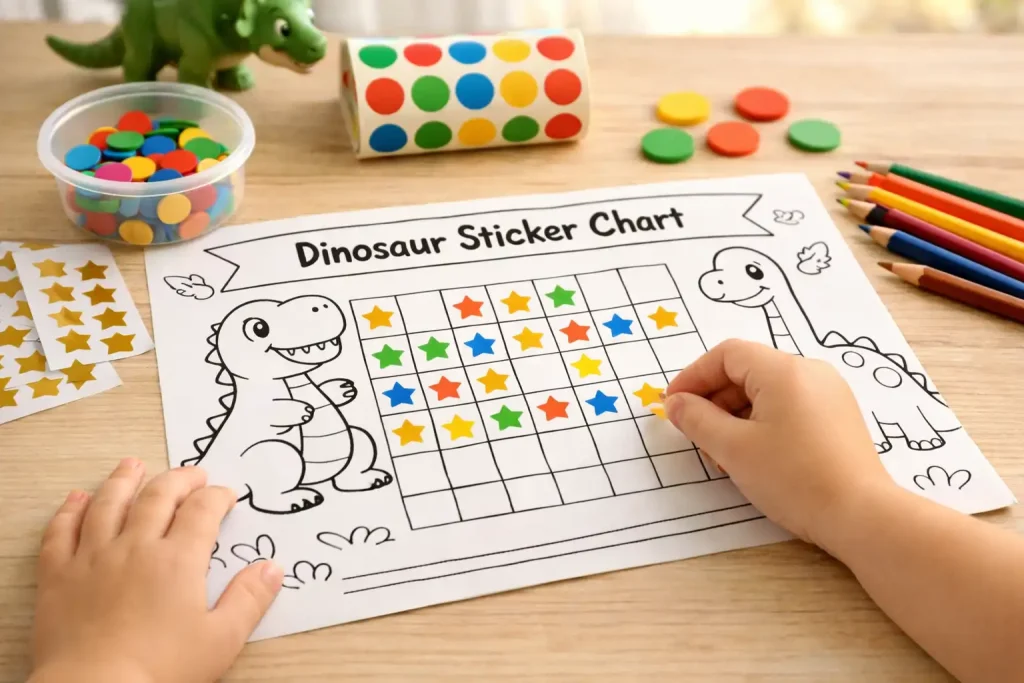
Dinosaur Sticker Chart Printable
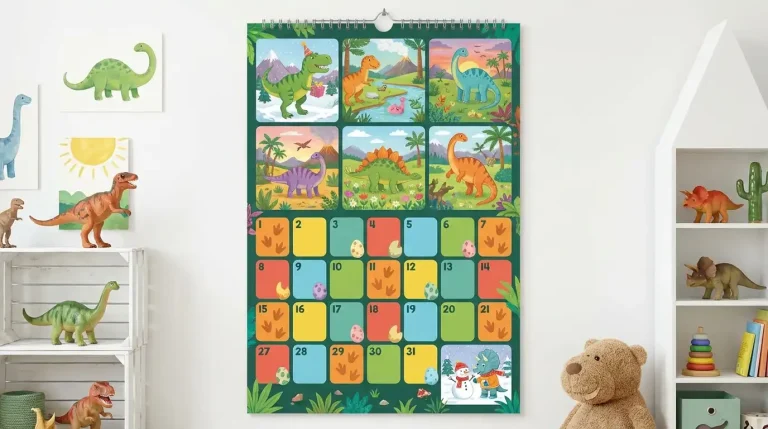
Sticker charts have been around forever, and there’s a reason they stick around. Kids understand them. A small square. A space to fill. A visual way to see that they did something today. It’s simple, and simple works when you’re dealing with young kids who already have a lot going on in their heads.
What matters isn’t the sticker itself. It’s the moment of noticing effort. You did the thing. Someone saw it. That moment lands, even when kids can’t explain why it feels good.
Dinosaurs Make the Routine Feel Lighter
Routines can feel heavy to kids. Brush your teeth. Tidy up. Finish homework. None of that sounds exciting when you’re four or five. Dinosaurs help soften that edge. A cheerful dinosaur on a chart turns the routine into something a little more playful. It doesn’t change the task, but it changes how the task feels.
Sometimes that’s enough. Not always. But often enough to keep things moving without a power struggle.
What Kids Actually Learn From Using a Chart
A sticker chart doesn’t just track tasks. It quietly teaches a few useful ideas.
Kids start to see that effort builds over time. One sticker is nice. A row of them feels different. There’s also a gentle lesson in consistency. You don’t need to do everything perfectly. You just show up again tomorrow.
And there’s something about seeing progress on paper that makes it feel more real than hearing praise alone. Praise fades. A filled chart stays on the wall.
Keeping the Focus on Effort, Not Perfection
It’s easy for charts to turn into pressure if adults aren’t careful. The goal isn’t a perfect row of stickers every week. The goal is noticing effort when it happens. Some days will be messy. That’s fine. Life is messy. Kids notice when adults leave room for that.

If a day gets skipped, the chart doesn’t fail. It just waits. That quiet waiting can be kinder than constant reminders.
Where Sticker Charts Fit Into Daily Life
Sticker charts work best when they live where life happens. On the fridge. Near the backpack hook. By the bedtime routine. Somewhere kids naturally pass by. That way, checking the chart feels like part of the flow of the day, not another task added on top. You can also build similar daily habits around reading with these dinosaur bookmarks to color, which kids can personalize and use every day.

They also work better when they’re tied to small, clear actions. Things kids can actually control. Big goals are inspiring, but small goals are doable. And doable builds confidence.
Letting Kids Take Some Ownership
Kids care more when they feel involved. Letting them help place the chart or choose which sticker goes where can make a surprising difference. It turns the chart into something they participate in, not something that happens to them.
Over time, that sense of ownership can shift how they think about routines. It becomes less about being told what to do and more about noticing their own effort.
A Gentle Tool for Building Habits
No chart will magically solve every routine struggle. Some days will still be hard. Some mornings will still run late. That’s normal. A sticker chart is just one small tool in a much bigger picture of learning how to move through a day.
Used gently, it can make habits feel less heavy. It can turn small efforts into something visible. And sometimes, seeing progress is all a kid needs to try again tomorrow. More dinosaur crafts are listed on our website for free, explore now.